Event Technology in Corporate Events: The Rise of Robots for Engagement
There was a day and age when the norm for a company event was familiar and predictable. There was a registration desk, some banners, a stage, some speeches, dinner, and pro forma applause. It was very well organized, yes, but it was predictable too. However, this too has undergone a shift, and that shift has something to do with event technology, which has been changing how events are consumed by audiences silently in the rear seat.
One of the most talked-about expressions of this change? Robots.
When Events Started Feeling Personal Again:
In the past, business events always struggled with one problem engagement. People would come and leave, having heard the speakers and nothing more. Some level of interaction and energy was present, but as soon as these became lengthy, the energy levels dropped. That problem has been solved by event technology, and these solutions made the experience more human.
Robots did not come as replacements but as facilitators. They came as friendly, interactive, and highly relatable tools. As soon as the robot says hello to the guest, shows them the way to the class, or notices their arrival, the dynamic changes. People smile. They wait. They listen.
Why Robots Instantly Change the Energy in the Room:
There’s something organically disarming about robots being at events. They don’t demand attention, yet they draw it. People walk up to them because of curiosity, not obligation. That curiosity opens the door to interaction, and interaction is where engagement lives.
In corporate events, where one usually feels that conversations are formal, robots make the environment soft. They break the ice without small talk. They become shared experiences—something everyone notices, talks about, and remembers.
Event Technology That Moves With the Crowd:
That’s because event technology can
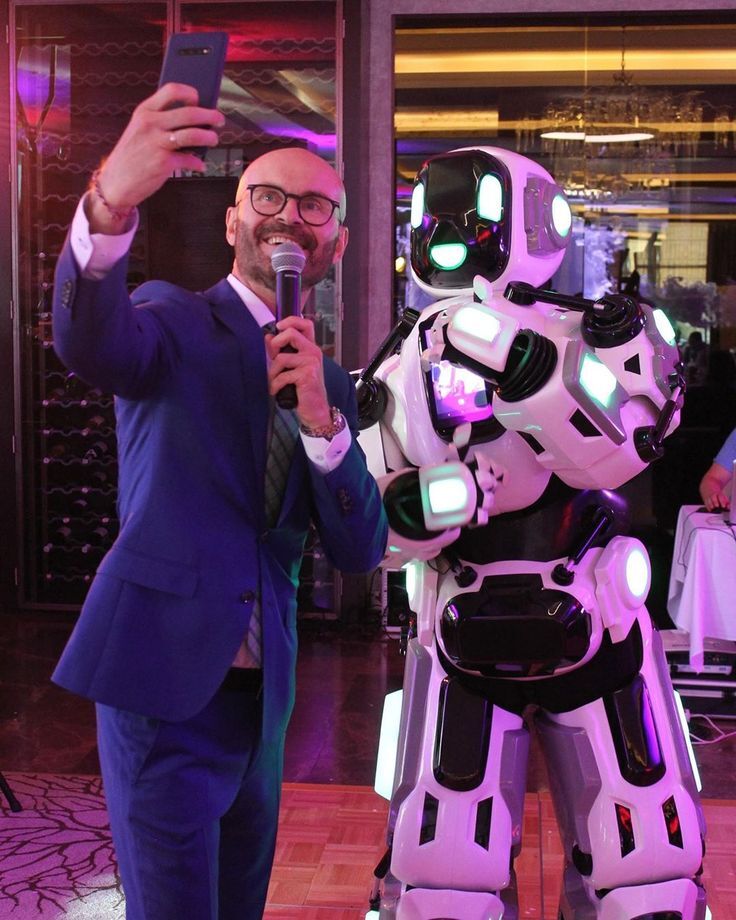
What differentiates robots from the rest in the event technology industry is the element of movement. Unlike static screens or booths, the robot moves around the event place. It welcomes visitors, directs the flow of people, and, on some occasions, performs during the breaks.
When visitors are led rather than pointed in the wrong direction, when assistance comes to them rather than having to be sought out, it feels like the entire experience has simply gone more smoothly. And it’s this smooth experience that today’s corporate events are reaching for—and robots are facilitating with stealthy effectiveness.
Engagement Without Forcing Participation:
Forced engagement is one of the biggest fears in corporate events. Nobody likes it when they get dragged into activities that they didn’t sign up for. That dynamic changes completely with the robots.
They invite interaction without demanding it. Visitors decide when and how they participate. Some stop for a quick selfie. Others ask questions. Some just observe. All of it constitutes engagement—and none of it feels awkward.
Branding Feels Like an Experience:
Corporate branding isn’t the same as it used to be. It’s no longer a matter of putting logos around. This is how the brand should make the viewer feel. Robot imagery helps the brand tell its message without having to say a thing.
The customized robot includes the colors, the messaging, the personality, and the branding. They don’t sell; they represent. They represent because the robot connects with the guests one-on-one.
Because delegates are sharing photos or videos of robots on social media sites, branding comes with it effortlessly. That’s engagement, not promotion.
That’s the beauty of marrying event technology with thoughtful design: it respects the audience.
Natural Role of Robots in Corporate Event Flow:
Robots don’t have to host the event to make a strong impression. In fact, the more the robots can mesh with the agenda, the better the result will be. “Welcome to the event at registration.” “Catch up between sessions.” “And surprise the attendees during networking breaks.”
These are very brief and timely interactions that help maintain energy levels. They are attention-grabbing, yet they do not interrupt the primary reason readers attend an event.
Event Technology that Helps People, Rather than Replacing Them
But despite all this progress, the essence of business events lies in human interaction. Robots do not displace event professionals but instead help them. They can do tasks manually, walk participants around, and ensure consistency so that professionals can dedicate time to networking.
Such a balance is the key to the success of event technology. Instead of trying to substitute for what humans do best, it adds to it.
Why Guests Talk About Robots Long After the Event:
Guests attending a party or a celebration ask people what amazed them about a robotic show, and they’ll talk about stories rather than facts. They’ll speak about impressing, surprising, or even astonishing people. They’ll speak about events rather than features.
That’s when you know engagement was successful. When the technology becomes seamless in the experience, but the emotion lingers.
The Future of Corporate Eventz Is Already Here:
Robots are no longer a feature of the future; they are increasingly integrated into what it is to communicate innovation, creativity, or attention to detail at corporate eventz. As the bar is raised, there is greater emphasis on providing experiences that are considered meaningful as opposed to attention-grabbing.
Event technology is no longer about what’s new. It’s about what feels right.
Final Thought:
Since at the end of the day, the best corporate events aren’t necessarily the ones with the largest stages, but rather the events that make attendees feel like they are a part of something, sometimes that includes a robot showing up with a greeting.
Robotic involvement at corporate events is less about robots and more about the redefinition of engagement itself. With robocyber technology, engagement at corporate events becomes warm, interactive, and memorable.
Share this post


Author