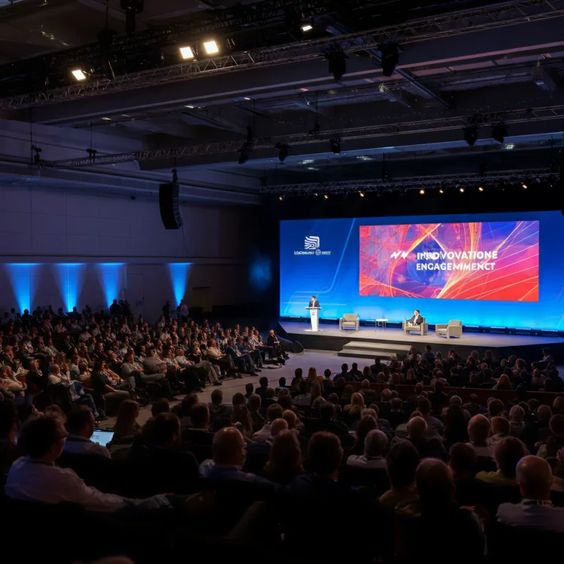
Picture this: it’s the night before your product launch. The venue is booked, the team is buzzing with nervous energy, and somewhere between the third cup of coffee and the fifth Slack notification, someone asks “Do we actually have a plan?”
If that question sends a chill down your spine, you’re not alone. Product launches are equal parts art and science, strategy and spontaneity. Getting them right takes more than a great product. It takes a story, a stage, and a crowd that’s ready to cheer.
So let’s walk through what a winning product launch strategy actually looks like from the first brainstorm to the post-launch high fives.
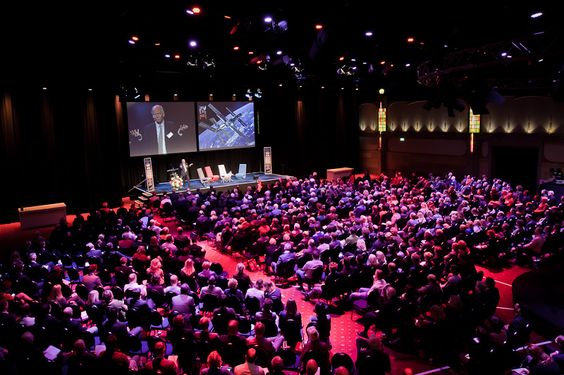
Step 1: Know Who You’re Talking To — Before You Say Anything
Every great product launch begins with a fundamental question: who cares? Not in a cynical way in a tactical one.
Before you book a venue or design a single flyer, you need to deeply understand your audience. We’re talking demographics, yes age, profession, income level but more importantly, psychographics.
What keeps them up at night?
What do they aspire to?
What makes them click “buy”?
Think of your early adopters as the opening act of your launch story. They’re the innovators, the curious ones, the people who’ll try something new before the masses catch on. Target them first. Build trust with them. Let them become your hype squad.
When planning your launch event, the venue matters just as much as the message. If you want an intimate, curated experience for your early adopters, The Banquet Hub can help you discover spaces that match the tone and scale of your audience perfectly.
🎉 Fun Fact: Apple’s original Macintosh launch in 1984 targeted a very specific audience creative professionals who felt alienated by corporate computing. That hyper-targeted approach turned a product demo into a cultural moment.
Step 2: Research the Market Like a Detective, Not a Tourist
Here’s a truth that most launch plans skip: your product doesn’t exist in a vacuum. It enters a market that already has players, preferences, and baggage. Market research is how you figure out where your product fits and where it stands apart.
Start with competitor analysis. Study what they do well. Study what their customers complain about in reviews. That gap between what exists and what’s needed? That’s your golden ticket.
Pricing is another area where research pays off enormously. Companies that under-price at launch lose not just revenue but also perceived value. Price with intention, and always anchor your pricing to the value you’ve clearly defined for your audience.
The best launches treat market research as a living process not a checkbox ticked once in a spreadsheet and forgotten. They revisit assumptions, collect qualitative feedback, and stay curious even after launch day.
Step 3: Craft a Value Proposition That Actually Says Something
“The best product in its category.” “Game-changing innovation.” “The future is here.”
Sound familiar? These phrases are so overused they’ve lost all meaning. A compelling value proposition isn’t about superlatives, it’s about specifics.
Ask yourself: what exactly does your product solve, and for whom? What would your customer’s life look like without it versus with it? The answer to those questions is your value proposition. Keep it clear, keep it honest, and keep it focused on the customer not on how impressed you are with yourself.
Your value proposition is the north star of your entire launch strategy. It shapes your messaging, your marketing channels, your event theme, and the story you tell on launch day.
🎉 Fun Fact: Dropbox’s original value proposition “Your stuff, anywhere” was just three words. It became one of the most successful SaaS launches in history precisely because it was that clear.
Step 4: Build the Three-Act Launch — Pre-Launch, Launch Day, Post-Launch
Think of your product launch like a movie. There’s a build-up, a climax, and a resolution. Each phase has a job to do.
The pre-launch phase is about building anticipation. Tease your product on social media. Offer early access to select customers. Create countdown campaigns that make people feel like they’re waiting for something worth waiting for. This is also when you prepare your sales and support teams because the worst thing you can do is generate excitement and then fumble the delivery.
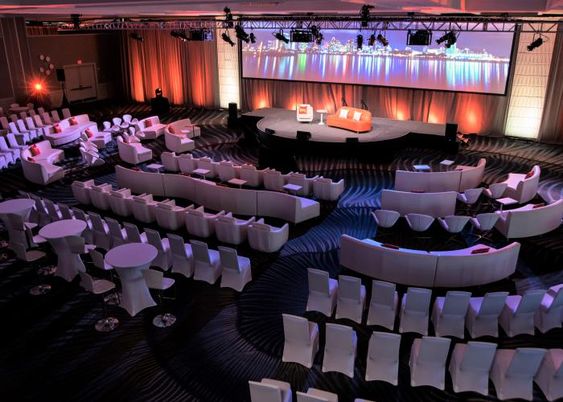
Launch day is your climax. Everything should come together seamlessly your marketing campaign goes live, your team is on standby, and ideally, you’ve created a live experience that your audience can be part of. Whether it’s a virtual event or an in-person showcase, the experience matters enormously.
For companies planning physical launch events in India, BookEventz is an excellent resource for finding venues and vendors that bring your launch vision to life. Their blog is also packed with practical event planning advice their piece on corporate event planning tips is worth a read before you start shortlisting venues. You can also follow BookEventz on YouTube for real event walkthroughs and venue tours that make the planning process far less overwhelming.
For larger corporate product unveilings,CorporateEventz specialises in end-to-end corporate event management. Follow CorporateEventz on Instagram for setup inspiration, event highlights, and behind-the-scenes content that’ll spark ideas for your own launch experience.
🎉 Fun Fact: The PlayStation 2 launch in 2000 generated so much demand that Sony couldn’t meet initial orders causing a global shortage. Strong pre-launch buzz is powerful, but inventory planning is equally critical.
Step 5: Align the Launch with Your Brand — Every Single Time
Your product launch is a brand moment, not just a business event. Every email, every banner, every sentence spoken at your launch event should feel unmistakably you.
If your brand is bold and disruptive, your launch should reflect that loud colours, provocative messaging, unconventional venues. If your brand is calm and trustworthy, then a polished, understated experience with careful attention to detail will resonate more.
Consistency across all touchpoints website, social media, press releases, and in-person experience isn’t just about aesthetics. It’s about building the kind of trust that converts curious onlookers into loyal customers.
When booking your launch venue, choosing a space that matches your brand personality is critical. A wellness brand launching in a sleek rooftop space sends a very different message than one launching in a cosy heritage hall. Explore curated venue options at The Banquet Hub and browse our YouTube channel to see how different venues come alive during real events it’s the closest thing to a venue walkthrough without leaving your desk.
Step 6: Avoid These Launch Pitfalls
Even the best laid launch plans can stumble. Here are the most common traps and how to sidestep them:
Overpromising: If your product can do five things well, say that. Don’t claim it does fifteen. Overpromising destroys credibility faster than a bad review.
Ignoring early feedback: Your early adopters will tell you what’s broken before the masses notice. Listen. Adapt. Iterate.
Neglecting the post-launch: Launch day is not the finish line. It’s the starting gun. Momentum must be maintained through continued engagement and marketing.
Underestimating demand: Plan for success. Have inventory, bandwidth, and customer support ready to scale.
For end-to-end corporate launch event execution that avoids these pitfalls from the venue side ,CorporateEventz is worth exploring early before you’ve locked in decisions that are hard to reverse. Also follow BookEventz on Instagram for real-world product launch event setups that show you what works on the ground.
🎉 Fun Fact: Microsoft’s Windows Vista launch was one of the most expensive in history and one of the most criticised. Over-promises about features that didn’t deliver led to massive customer disappointment and a brand setback that took years to recover from.

Step 7: Measure, Learn, Repeat
A launch without measurement is a story without an ending. After the confetti settles and the event wraps up, it’s time to look at the numbers.
Track your key performance indicators: sales conversions, website traffic, customer acquisition cost, social media reach, and crucially customer satisfaction scores. These aren’t just metrics; they’re feedback loops that tell you where your strategy worked and where it needs refinement.
The best product teams embrace what’s called Continuous Product Discovery an iterative mindset where you never stop learning from your users. Every launch, big or small, is a data point in a longer story of growth and improvement.
For some product launch party ideas do check out our blog on how to how to host a product launch party , CorporateEventz brings the operational expertise to help tie your event experience directly to measurable business outcomes.
The Curtain Doesn’t Fall — It Rises
A product launch is not an ending. It’s an opening night.
The strategy behind it the audience research, the crisp value proposition, the brand-aligned storytelling, the meticulous event planning, and the relentless post-launch follow-through is what separates a product that trends for a day from one that builds a loyal customer base for years.
So the next time someone asks “Do we actually have a plan?” the night before your launch, you can smile and say “Yes. And it’s a good one.”
Now go make some noise. Your product deserves it.
Leave a Reply