Tag: corporate event strategy

  • How to Plan a Successful Corporate Retreat

    How to Plan a Successful Corporate Retreat

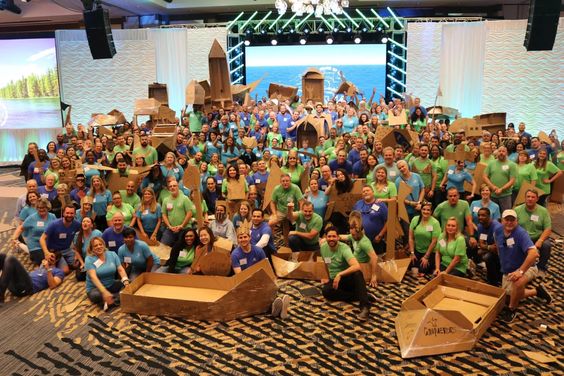
    Corporate retreats are no longer just offsite vacations they have become powerful strategic tools that improve team collaboration, strengthen company culture, and boost productivity. In today’s hybrid work environment, organizations are investing more than ever in well-designed corporate retreats that deliver measurable results.

    At CorporateEventz, we have helped companies transform retreats into meaningful experiences that align business goals with employee engagement. Whether you’re planning your first offsite or looking to elevate your next retreat, this guide will walk you through the key steps to planning a successful corporate retreat.


    Why Corporate Retreats Matter More Than Ever

    A well-planned retreat provides teams with a focused environment away from daily distractions. Research shows that structured offsite experiences improve communication, alignment, and team trust while increasing overall productivity. Companies with strong team bonding strategies often see significant improvements in retention and engagement levels.

    Fun fact: Studies indicate that connected teams can be up to 25% more productive, making retreats not just a culture initiative but a strategic investment.

    Corporate retreats allow teams to:

    • Reset priorities and align with company vision
    • Strengthen interpersonal relationships
    • Encourage creative thinking and innovation
    • Improve leadership communication

    Step 1: Define Clear Objectives Before Planning

    The biggest mistake companies make is planning retreats without clear goals. Before selecting venues or activities, define what success looks like.

    Ask yourself:

    • Are you focusing on leadership alignment?
    • Is the goal team bonding or skill development?
    • Are you launching a new product or strategy?

    At CorporateEventz, we always align retreat planning with business objectives to ensure measurable outcomes rather than generic team outings.

    Examples of measurable goals:

    • Improve cross-team collaboration
    • Build leadership communication skills
    • Create actionable quarterly strategy plans .

    Step 2: Build a Strategic Timeline and Budget

    Planning ahead reduces costs and stress. Industry experts recommend starting:

    • 3–6 months in advance for smaller retreats
    • 6–9 months for destination or large-scale retreats

    Your budget should include:

    • Venue and accommodation
    • Food and catering
    • Activities and facilitators
    • Audio-visual and technology setup
    • Transportation and logistics
    • Contingency fund (10–15%)

    Pro tip: Hiring professional planners often saves money through better vendor negotiations and reduced planning errors.


    Step 3: Choose the Right Location and Venue

    Your venue shapes the entire retreat experience. While onsite events reduce costs, offsite or destination retreats create psychological separation from daily work, encouraging creativity and fresh thinking.

    Consider:

    • Accessibility and travel time
    • Reliable Wi-Fi and technology infrastructure
    • Comfortable accommodation
    • Flexible meeting spaces
       
    • Outdoor or experiential activity options

    Many companies today prefer destination retreats because shared experiences strengthen team bonding more effectively.


    Step 4: Design an Agenda That Balances Work and Fun

    A successful retreat is not packed with back-to-back sessions. Over-scheduling reduces engagement.

    Instead, focus on:

    • Strategic sessions during peak energy hours
    • Interactive workshops
    • Team-building activities aligned with company culture
    • Intentional unstructured time

    Fun fact: Allowing free networking time significantly improves psychological safety and collaboration within teams.

    High-impact activities include:

    • Problem-solving challenges
    • Cultural immersion experiences
    • Nature-based team exercises
    • Creative innovation workshops

    Step 5: Manage Logistics Like a Pro

    Behind every successful retreat is seamless coordination.

    Key logistics include:

    • Travel and transportation planning
    • Room allocations
    • Catering with dietary considerations
    • Technology backup plans
    • Clear communication schedules

    Companies often underestimate the operational complexity involved. That’s why working with experienced planners like CorporateEventz ensures smooth execution while allowing leadership teams to focus on engagement rather than logistics.


    Step 6: Create Memorable Experiences (Not Just Meetings)

    The most successful retreats create emotional moments that teams remember long after the event.

    Examples include:

    • Leadership storytelling sessions
    • Celebration dinners or award nights
    • Unique destination experiences
    • Interactive team challenges

    These shared experiences become reference points that strengthen company culture.


    Step 7: Measure Success After the Retreat

    Your retreat doesn’t end when the event is over.

    Follow-up actions include:

    • Sending recap documents within 48 hours
    • Tracking action items and goals
    • Conducting feedback surveys
    • Scheduling 30- and 90-day follow-up sessions

    Tracking measurable outcomes helps companies understand ROI and improve future retreats.


    Why Work With CorporateEventz?

    Planning a corporate retreat involves hundreds of moving parts — from venue negotiations to activity design and real-time coordination. At CorporateEventz, we specialize in creating customized corporate retreats that blend strategy, creativity, and seamless execution.

    Our services include:

    Whether you are planning a leadership offsite, annual team retreat, or company celebration, we help you create experiences that deliver real business impact.


    Final Thoughts

    A successful corporate retreat is more than just a break from work — it’s an investment in your team’s future. With clear objectives, strategic planning, and engaging experiences, retreats can transform communication, collaboration, and company culture.

    When executed well, a corporate retreat becomes the turning point where teams align, innovate, and reconnect and that’s where CorporateEventz comes in

  • 10 Corporate Event Planning Mistakes That Could Cost You

    10 Corporate Event Planning Mistakes That Could Cost You

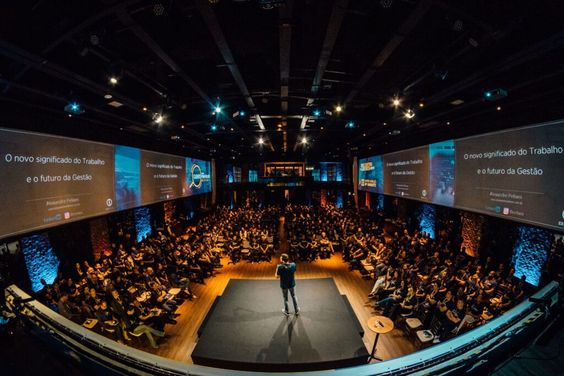
    In the high-stakes world of corporate event management, the difference between a standing ovation and a logistical nightmare often comes down to the details that were overlooked months in advance. Whether you are planning a high-level executive summit, an international product launch, or a company-wide gala, your event is a direct reflection of your brand’s prestige and professionalism.

    At CorporateEventz, we have seen that “hoping for the best” is the fastest way to encounter a crisis. To help you navigate the complexities of modern hosting, we’ve expanded on the 10 most critical mistakes and provided actionable solutions to ensure your next project is flawless.

    1. Neglecting the “Attendee Journey”

    Many planners fall into the trap of focusing exclusively on the stage, the lighting, and the speakers. While these are vital, they represent only a fraction of the guest experience. If an attendee struggles to find the venue, waits 30 minutes in a registration line, or can’t find a power outlet for their laptop, their takeaway will be one of frustration rather than inspiration.

    • The Deep Dive: Treat your event like a user interface. Map out every touchpoint—from the first “Save the Date” email to the post-event survey. Ensure your registration process is friction-free by utilizing custom event technology.
    • The Fix: Conduct a “site walkthrough” from the perspective of a first-time guest. Are the signs visible from eye level? Is there a dedicated space for coats and bags? Small comforts translate to high satisfaction.

    2. Understaffing Your “Front Line”

    Your event staff are the face of your brand for the duration of the day. A common mistake is hiring the bare minimum to save on costs, leading to “bottlenecking” at key areas like check-in, the cloakroom, and the buffet lines.

    • The Impact: Understaffing leads to high stress levels among your crew, which guests can sense immediately.
    • The Fix: We recommend a 10% “buffer” in staffing levels. Ensure every team member is briefed on our corporate hospitality standards so they can answer guest questions with confidence and poise.

    3. Flying Without a Master Management Plan

    A collection of disjointed To-Do lists is not a strategy. Without a centralized “Master Plan,” communication silos form. The catering team might not be aware of a schedule shift in the main hall, leading to cold food, or the AV team might miss a speaker’s last-minute slide update.

    • The Fix: Implement a cloud-based project management system where every stakeholder has real-time access to the timeline. Maintaining a rigorous event planning checklist ensures that no detail, however small, slips through the cracks.

    4. Ignoring Local “Calendar Clashes”

    Even the best-planned event can be derailed by external factors. If you book a venue in a city center during a major political protest, a marathon, or a massive rival convention, your attendance will suffer, and your logistics will become a nightmare.

    • The Impact: Sky-high hotel rates and gridlocked traffic can turn a premium experience into an endurance test for your delegates.
    • The Fix: Before signing a venue contract, audit the local city calendar. At Corporate Eventz, our Venue booking and management team specializes in identifying these conflicts before they become your problem.

    5. Relying on “Handshake” Agreements with Vendors

    In the corporate world, ambiguity is the enemy of excellence. Relying on verbal promises regarding delivery times, equipment quality, or menu items is a recipe for disaster when things go wrong on-site.

    • The Fix: Every single deliverable must be documented. Ensure your contracts include “force majeure” clauses and specific “load-in/load-out” windows. Clear documentation protects both your budget and your reputation.

    6. Falling Into the “Hidden Cost” Budget Trap

    Budgeting for a corporate event is more than just venue hire and catering. Many planners fail to account for “invisible” expenses: Wi-Fi overage fees, service gratuities, insurance premiums, and last-minute printing.

    • The Deep Dive: These costs can easily eat up 10-15% of your total spend if not tracked from day one.
    • The Fix: Build a “buffer” into your initial proposal. For a deeper look at financial management, explore our guide on maximizing your event ROI to ensure every dollar spent contributes to your business goals.

    7. Underestimating Setup and “Strike” Time

    There is nothing more unprofessional than guests arriving to find technicians still taping down cables or testing microphones. Rushed setups are where most technical errors occur.

    • The Fix: Negotiate for an early “load-in” the night before if possible. Always have a dedicated lead for on-site event management who oversees the “Strike” (the pack-up) to ensure the venue is returned in perfect condition, avoiding penalty fees.

    8. Treating Technology as an Afterthought

    We no longer live in a world where a simple projector and a microphone are enough. Modern attendees expect high-speed connectivity, interactive polling, and seamless streaming for remote colleagues.

    • The Fix: In the age of hybrid corporate events, your digital infrastructure is as important as the physical room. Always have a redundant internet line and a dedicated IT technician on standby to handle connectivity hiccups instantly.

    9. Capacity and Flow Miscalculations

    A room that is too small feels claustrophobic and creates safety hazards. A room that is too large feels empty and saps the energy from a presentation.

    • The Fix: Use a “Capacity Calculator” that accounts for furniture, stages, and AV booths—not just raw square footage. This is a vital part of our event production services, ensuring the environment feels professional and energized regardless of the headcount.

    10. The “Lone Wolf” Mentality

    The most dangerous mistake a corporate planner can make is trying to carry the entire weight of the event alone. When one person tries to manage the speakers, the catering, the tech, and the VIPs, things will be missed.

    • The Final Word: Leadership is about delegation. Corporate events are complex machines with many moving parts. If the project scale exceeds your internal capacity, consider partnering with a professional event management team. Our job is to handle the stress so you can focus on what matters most: your guests and your message

    To stay updated with the latest corporate event trends, behind-the-scenes executions, and real event inspirations, follow Corporate Eventz and Bookeventz on Instagram where we regularly share highlights, creative concepts, and successful event moments. Our social platforms are designed to help brands, planners, and professionals discover fresh ideas and stay ahead in the ever-evolving world of corporate event management.